What the Anion Gap Means in Acute Renal Failure
What exactly is the anion gap?
The anion gap is a derived value used in serum chemistry to help assess acid-base balance. It compares the main measured positive and negative ions in the blood, especially serum sodium and serum chloride, along with bicarbonate as part of the overall pattern. Clinicians use it as a practical diagnostic marker when reviewing an electrolyte panel and trying to identify a hidden acid-base problem.
In basic terms, the anion gap shows the difference between measured cations and measured anions. A elevated gap suggests that there are unmeasured anions in circulation, which often points to a metabolic derangement such as metabolic acidosis. Because it is a calculated value rather than a directly measured one, the anion gap is best understood as a clue that must be interpreted in context with the rest of the lab data.
Most clinicians consider the anion gap as part of a broader clinical assessment. It is not a diagnosis by itself, but it can provide important information about acid retention, bicarbonate loss, or the presence of toxic or organic acids. In kidney-related illness, this can be especially useful because renal dysfunction often changes acid handling before other findings become obvious.
Why is the anion gap play a role in acute renal failure?
In acute renal failure, also described clinically as acute kidney injury, the kidneys suddenly lose some of the ability to excrete acid and manage electrolytes. This can lead to metabolic acidosis, a state in which acid builds up or bicarbonate decreases faster than the body can compensate. The anion gap helps distinguish whether that acidosis is due to extra acids in the blood or to bicarbonate loss without extra acid buildup.
When kidney function declines, acid retention can increase, and uremic toxins may contribute to the accumulation of unmeasured anions. That is why the anion gap often goes up in kidney failure. A high value may suggest that the patient is developing high anion gap metabolic acidosis, which can occur as renal clearance worsens and metabolic waste products collect.
At the same time, not every patient with acute renal failure will show the same pattern. Some patients develop normal anion gap metabolic acidosis, especially if there is bicarbonate loss or a mixed disorder. This is why lab interpretation counts so much: the anion gap is a guide to the underlying acid-base picture, not a standalone answer.
In acute renal failure, the anion gap is most useful when paired with the rest of the acid-base picture. It helps show whether the acidosis is driven by retained acids, loss of bicarbonate, or both.
How to calculate the anion gap
The traditional formula uses measured electrolytes from serum chemistry. An Anion Gap Calculator simplifies this process by entering the main values and producing a fast computed result. In practice, the formula usually relies on serum sodium, serum chloride, and serum bicarbonate. One common form is sodium minus chloride minus bicarbonate.
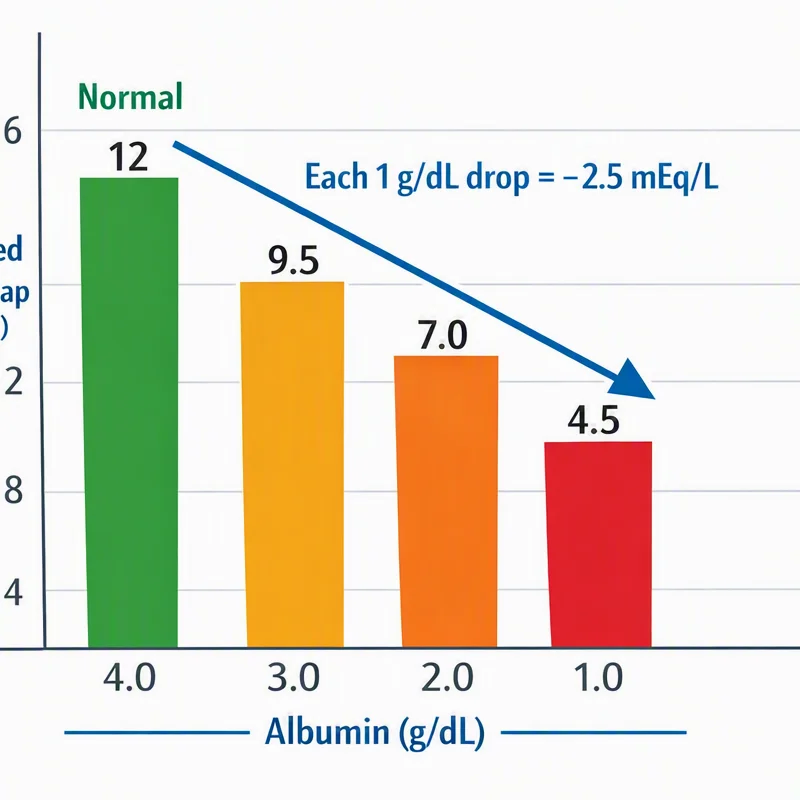
Because albumin is a major unmeasured negatively charged protein, the raw number may underestimate the true gap when albumin is low. That is why many clinicians perform an albumin correction to obtain a more accurate corrected anion gap. This adjustment is especially important in patients with illness severe enough to affect serum proteins and overall renal function.
Using an Anion Gap Calculator can make this process simpler during clinical assessment. It helps make consistent the calculated value, reduces arithmetic errors, and supports quicker lab interpretation when a patient has suspected acid-base disturbance. Still, the calculator should be used alongside the full electrolyte panel, because the meaning of the result depends on the broader context.
If the bicarbonate is low and the anion gap is elevated, the pattern strongly suggests a gap-related acidosis. When bicarbonate is low but the anion gap remains normal, the clinician should consider other mechanisms such as bicarbonate loss from the gastrointestinal tract or renal tubular problems. In kidney disease, these patterns may overlap, so the full serum chemistry profile is essential.
Elevated anion gap vs typical anion gap in kidney dysfunction
High anion gap metabolic acidosis indicates there are excess acids or unmeasured anions in the blood. In the setting of kidney dysfunction, this often shows impaired acid excretion and buildup of organic acids and uremic compounds. The number rises because bicarbonate is consumed countering acid while chloride does not fully explain the loss.
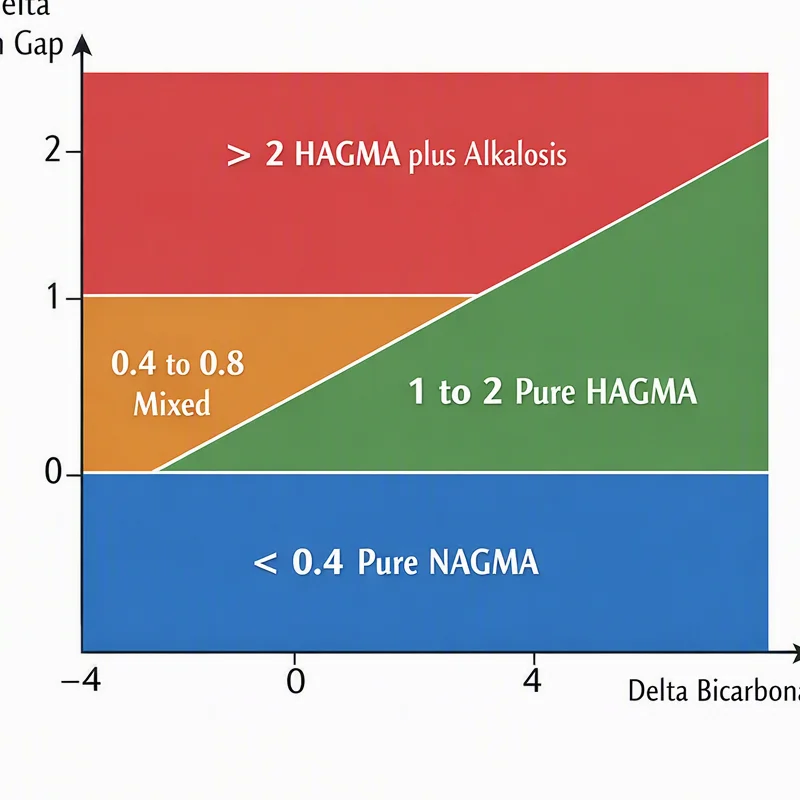
Normal-gap metabolic acidosis, on the other hand, usually reflects bicarbonate loss without a major increase in unmeasured acids. In some cases of kidney dysfunction, this can happen early or alongside another disorder. The anion gap stays within the reference range because the fall in bicarbonate is matched by a rise in chloride, which keeps the calculated difference relatively stable.
This distinction is important for clinical reasoning. High-gap patterns often push the team toward causes such as lactic acidosis, uremia, or ketoacidosis. Normal-gap patterns suggest looking more closely at bicarbonate loss, renal tubular handling, or mixed acid-base changes. Since patients with acute renal failure may have more than one process at once, a single number is rarely the whole story.
A careful review of the electrolyte panel, acid-base balance, and renal function helps determine whether the problem is primarily a gap acidosis, a non-gap acidosis, or a combination. This is one reason the anion gap remains so widely used in bedside lab interpretation.
Typical causes of raised anion gap in acute renal failure
A number of conditions can drive an increased anion gap when acute renal failure is present. The key include uremia, lactic acidosis, and ketoacidosis. Every one reflects a separate source of acid accumulation, but all can produce metabolic acidosis and a elevated calculated value.
Uremia develops when the failing kidneys cannot clear nitrogenous waste and acid byproducts efficiently. These retained acids and other metabolites behave as unmeasured anions, increasing the gap. This is a well-known mechanism in acute renal failure, especially when renal function declines quickly and blood urea nitrogen and creatinine rise together.
Lactic acidosis can also elevate the gap. When tissues are underperfused or oxygen delivery is impaired, lactate accumulates and contributes to systemic acidosis. In a patient with acute kidney injury, lactic acidosis may coexist with impaired lactate clearance, making the acid-base picture worse.
Ketoacidosis is another key cause. When the body produces excess ketones, those acids increase the anion gap. This may happen in diabetes, prolonged fasting, or other catabolic states. If renal failure is also present, the kidneys are less able to eliminate the acid load, and the metabolic derangement may worsen.
Because these causes can overlap, clinicians often use the anion gap as an early clue rather than a final answer. The next step is to determine the source of acid accumulation and determine whether treatment should concentrate on volume, perfusion, insulin, toxins, or kidney support.
How blood albumin affects the anion gap
Albumin is one of the main unmeasured anions in blood. When albumin is low, the measured anion gap may appear inaccurately normal or only a little increased, even when significant acidosis is present. This is why hypoalbuminemia can mask a true gap and make harder lab interpretation.
To address this, clinicians may use albumin adjustment to estimate a more precise albumin-corrected anion gap. The correction raises the gap upward when albumin is reduced, making it possible include the missing negative charge from serum proteins. This matters most when evaluating patients with acute illness, inflammatory states, nutritional deficiency, or kidney dysfunction, all of which may affect albumin levels.
Without correction, a patient with marked metabolic acidosis could be misclassified as having a normal gap. That error can shift diagnostic reasoning and delay recognition of retained acid or additional pathology. In practical terms, albumin correction enhances the quality of the diagnostic marker and makes the calculated value more clinically meaningful.
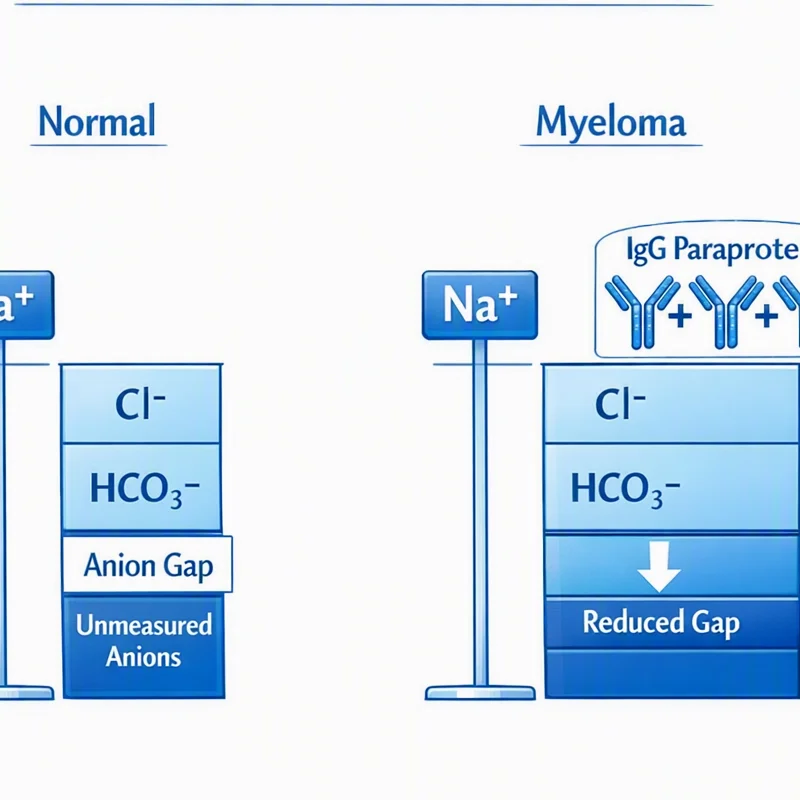
For this reason, the Anion Gap Calculator is most useful when it either includes albumin adjustment or is interpreted in combination with serum albumin. If albumin is abnormal, the raw number should not be taken at face value. The corrected value provides a better sense of the true acid-base burden.
What lab results should you check with the anion gap?
The anion gap should routinely be checked with the rest of the lab picture. Important values include blood urea nitrogen, creatinine, and the full set of electrolytes. These results help determine whether kidney impairment is playing a role in the acid-base problem and whether the pattern fits acute renal failure or another condition.
Increasing creatinine suggests lower filtration, while rising blood urea nitrogen supports progressive waste retention. Combined, these values help assess renal function. The electrolyte panel also indicates whether sodium, chloride, and bicarbonate shifts support high-gap acidosis, non-gap acidosis, or mixed abnormalities.
It is also important to review pH-related markers and the overall clinical context. A low bicarbonate value on serum chemistry may reflect acid consumption or bicarbonate loss, but the cause depends on whether the anion gap is elevated. If the gap is high, extra acids are likely involved. If the gap is normal, bicarbonate loss or chloride retention may be more relevant.
In other words, the anion gap should not be read in isolation. It is part of a broader pattern of lab interpretation that includes the kidney injury picture, the patient’s volume status, and any evidence of systemic acidosis. The most useful interpretation comes from combining the calculated value with the full metabolic profile.
When should a clinician be concerned?
The clinician should be alert if the anion gap is elevated in a patient with acute kidney injury, particularly if the result is paired with severe acidosis. This may point to substantial acid buildup, a toxic or metabolic cause of acidosis, or worsening kidney failure. The level of concern rises if the patient also has symptoms, hemodynamic instability, or a rapidly changing clinical picture.
Severe acidosis can affect cardiac function, mental status, and respiratory compensation. If kidney dysfunction reduces the capacity to correct the acid load, the risk of complications rises. A marked gap elevation may signal that the patient needs urgent reassessment of renal function, volume status, perfusion, and possible causes such as lactic acidosis, ketoacidosis, or uremia.
An electrolyte imbalance is another warning sign. Whenever sodium, chloride, and bicarbonate are shifting quickly, the patient may have a complex acid-base disorder that deserves immediate attention. The same is true when the anion gap changes over time, because trending the calculated value can show whether treatment is helping or whether the metabolic derangement is worsening.
Clinicians also pay attention when the gap does not match the expected severity of illness. As an example, a low or normal gap in a very ill patient may be misleading if hypoalbuminemia is present. This is why corrected interpretation is so important. Ultimately, the anion gap becomes most concerning when it helps reveal a hidden, clinically significant acid-base problem that changes management.
FAQ: Anion gap in acute renal failure
What does a high anion gap mean in acute renal failure?
A high anion gap in acute renal failure usually means there are extra unmeasured anions in the blood, often from acid retention. This pattern supports high anion gap metabolic acidosis and may reflect uremia, lactic acidosis, or ketoacidosis. It indicates that the acidosis is likely due to accumulated acids rather than simple bicarbonate loss alone.
Can acute renal failure cause a normal anion gap?
Indeed. Acute renal failure can occasionally present with normal anion gap metabolic acidosis, especially if bicarbonate is lost and chloride rises to compensate. Combined disorders are also common, so a normal gap does not exclude kidney-related acid-base problems. The result should be interpreted with the full electrolyte panel and the clinical picture.
How do you calculate the anion gap with albumin correction?
Start with the standard anion gap calculation using serum sodium, serum chloride, and serum bicarbonate. Then apply albumin correction if albumin is low, because hypoalbuminemia can make the gap look falsely normal. The corrected result gives a better estimate of the true gap and improves lab interpretation.
Why is the anion gap useful in metabolic acidosis?
The anion gap helps identify the cause of metabolic acidosis. It separates acid accumulation from bicarbonate loss and shows whether unmeasured anions are likely present. In kidney disease, this distinction is useful because it guides the clinician toward causes such as acid retention, lactic acidosis, uremia, or ketoacidosis.
Which lab tests should be checked with the anion gap?
The most important tests are electrolytes, blood urea nitrogen, creatinine, and albumin. These https://anion-gap-chart088.raidersfanteamshop.com/how-to-read-the-anion-gap-in-emergency-medicine values help assess renal function, confirm the acid-base pattern, and determine whether albumin correction is needed. Together, they support a more complete clinical assessment of acute renal failure and the associated acid-base disorder.