What’s the Formula for Anion Gap?
What Is the Anion Gap?
The anion gap is a simple calculation designed to assess the equilibrium of electrical particles in the blood. It compares the levels of common electrolytes measured on a serum chemistry panel to estimate whether there are extra acids or other charged substances affecting acid-base balance. Clinicians use it as a fast diagnostic aid when interpreting blood chemistry results.
Although the anion gap does not capture every ion in the blood, it helps indicate the difference between the main positively charged ions and negatively charged ions that are routinely reported. This makes it helpful for identifying an acid-base disorder, especially metabolic acidosis. The result is often considered alongside other lab values and the patient’s symptoms rather than on its own.
You may see the anion gap listed as part of an electrolyte panel or calculated from the reported serum sodium, serum chloride, and serum bicarbonate. Because it is derived from routine measurements, it can be checked easily with an anion gap calculator or calculated manually.
What’s the Formula for Anion Gap?
The usual anion gap formula is:
Anion gap = sodium − (chloride + bicarbonate)
In most cases, the values used are sodium, chloride, and bicarbonate reported in mEq/L. This formula reflects the relationship between the major measured ions in the blood. Sodium is the main measured cation, while chloride and bicarbonate are the main measured anions.
For example, if sodium is 140 mEq/L, chloride is 104 mEq/L, and bicarbonate is 24 mEq/L, the calculation is:
140 − (104 + 24) = 12 mEq/L
That number is the anion gap value. It’s not a standalone diagnosis, but it can indicate a specific metabolic condition or help clarify the underlying cause of abnormal lab findings.
Some laboratories or providers may include potassium in a modified formula, but the most common version used in routine practice excludes it. If you want to calculate anion gap, this is usually the formula they mean.
How to Apply an Anion Gap Calculator
An anion gap calculator simplifies the process by converting raw lab values into an immediate result. To use it correctly, enter the measured serum sodium, serum chloride, and serum bicarbonate from the single blood sample.
Here are the basic calculation steps:
- Find the sodium value in mEq/L.
- Find the chloride value in mEq/L.
- Identify the bicarbonate value in mEq/L.
- Add chloride and bicarbonate together.
- Subtract that total from sodium.
With the same example above, the steps would be:
- Sodium: 140
- Chloride: 104
- Bicarbonate: 24
- 104 + 24 = 128
- 140 − 128 = 12
That is the simple way to calculate anion gap from a standard electrolyte panel. A calculator can reduce arithmetic errors and is very helpful when evaluating multiple results or comparing changes over time.
Remember that an anion gap calculator is only as accurate as the input numbers. If the lab values were drawn from different times, the result may be more uncertain. Also, interpretation depends on the setting of the blood chemistry results and whether the finding aligns with the overall clinical significance.
What Is a Typical Anion Gap?
The usual range for anion gap depends on the lab, the instrument, and whether potassium is included. In practice, the result should be interpreted using the lab’s stated reference range or lab-normal range. Various techniques can produce slightly different numbers, so laboratory variation matters.
In practice, many providers think of a typical anion gap as being in a quite narrow reference range, but the specific threshold can differ from one laboratory to another. That is why a result should always be compared with the specific report provided by the lab rather than relying on a single universal number.
The albumin level also affects what is considered normal. Because albumin carries a negative electrical charge, a lower albumin level can lower the measured anion gap even when the acid-base status is otherwise unchanged. That is one reason clinicians may look beyond the raw result and consider whether the gap should be adjusted for albumin.
A normal result does not always mean there is no problem, and an abnormal result does not always mean a serious disorder is present. The anion gap is best used as part of broader medical interpretation of the overall electrolyte results, symptoms, and other testing.
What May a High Anion Gap Mean?
A elevated anion gap usually suggests that additional acids or hidden substances are present in the blood. This finding is often associated with metabolic acidosis, where the body has too much acid or too little bicarbonate. In this setting, the anion gap can reveal an acid-driven process that may need timely review.
Common causes of a high anion gap include:
- Lactic acidosis, which can occur when tissues do not receive enough oxygen or when the body is under severe physiologic stress.
- Ketoacidosis, which can happen with poorly controlled diabetes, prolonged fasting, or heavy alcohol use.
- Renal failure, where the kidneys cannot eliminate acids effectively.
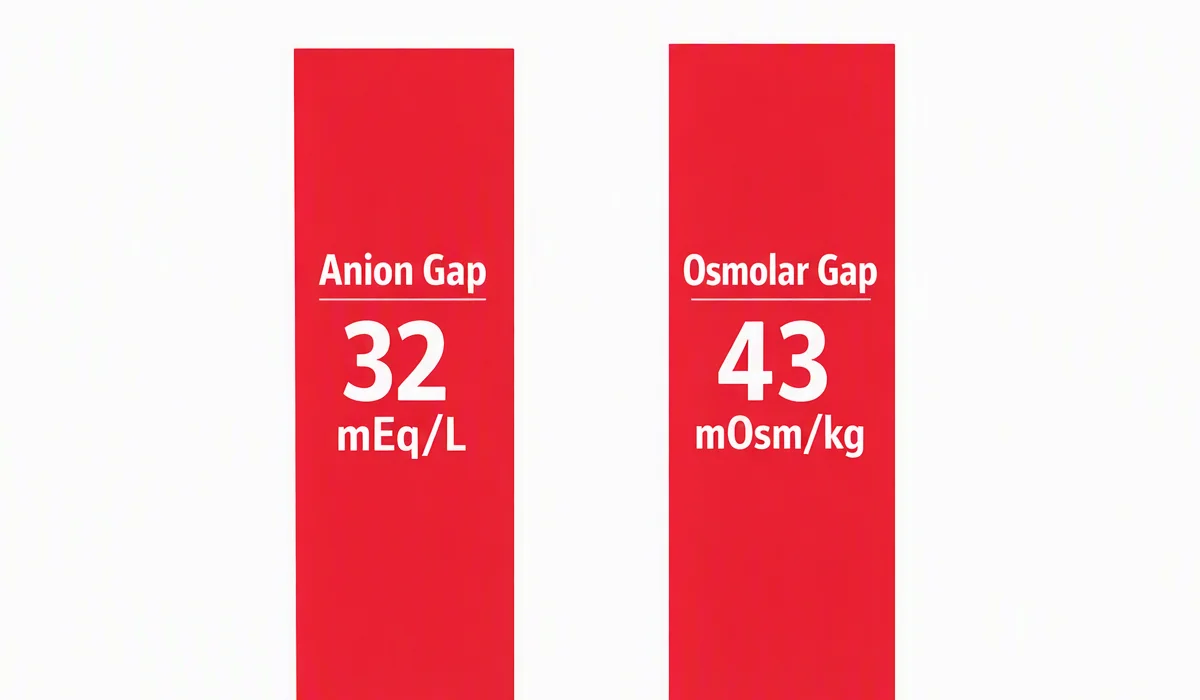
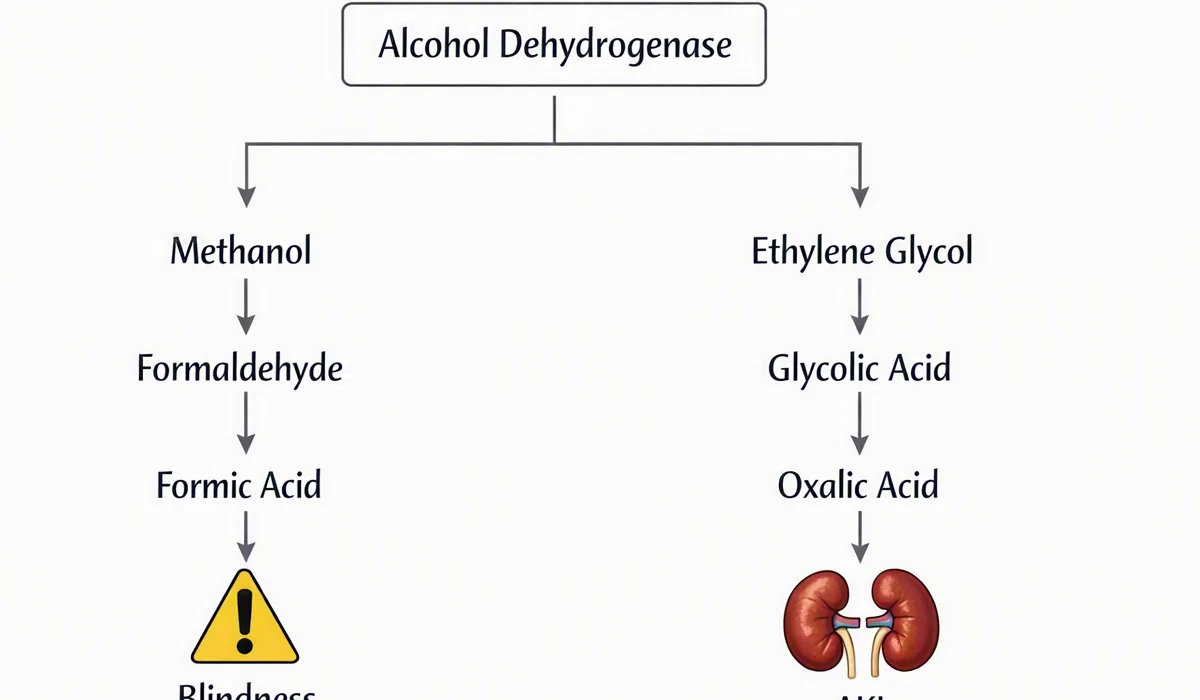
- Toxic ingestions, which may add harmful substances that create a significant acid-base disturbance.
These causes can elevate the number of unmeasured ions in the blood, increasing the anion gap. That is why the result is often used as a hint to an underlying cause rather than a final diagnosis by itself.
A high result should be interpreted in the context of symptoms, other blood tests, and the overall medical picture. The same elevated value may mean something very different depending on whether the patient has dehydration, diabetes, kidney impairment, sepsis, or possible poisoning.
What Is a Low Anion Gap?
A reduced anion gap is not as common than a high one, but it can still be medically important. One of the most common explanations is hypoalbuminemia, because albumin is a major negative-charged protein in blood. When albumin is low, the computed gap may fall even if nothing unusual is happening with the other measured electrolytes.
Other possible causes of a low anion gap include multiple myeloma, where abnormal proteins in the blood can disrupt the charge balance, and unmeasured cations, which are positively charged substances not fully captured by the standard calculation. In some cases, the result is due to lab error rather than a true biologic problem.
Because low results can arise from several different issues, the next step is usually to confirm the numbers and review the rest of the blood chemistry. A repeat test may be needed if the result does not fit the patient’s condition. If the low gap is real, it may lead to further evaluation for protein abnormalities, medication effects, or other causes.
A low anion gap should not be dismissed, but it is often less urgent than a significantly elevated one. Still, it can be a valuable clue when the clinician is trying to interpret results from a broader electrolyte or acid-base workup.
Should the Anion Gap Be Corrected for Albumin?
Indeed, in many cases the anion gap should be evaluated with albumin correction in mind. Since albumin is a primary negatively charged protein, a low albumin level can lead to the raw result appear smaller than it truly is. The corrected anion gap adjusts for this effect and can offer a more precise picture of acid-base status.
This is especially relevant when albumin is reduced because of illness, inflammation, liver disease, or malnutrition. Low protein levels can change the apparent protein binding environment in the blood and obscure a clinically meaningful acid-base problem.
A corrected value is particularly useful when a patient has suspected metabolic acidosis but the raw gap seems normal or only mildly increased. In that situation, correcting for albumin can reveal a hidden high gap that would otherwise be missed. It can also help with more precise medical interpretation https://anion-gap-help494.lucialpiazzale.com/how-to-apply-an-anion-gap-calculator-for-distinguishing-acidosis-types when the test result is uncertain.
Clinicians do not correct every result by default, but they often assess it when albumin is abnormal. In short, if albumin is low, the corrected anion gap may more accurately reflect the true anion gap value and improve the assessment of the underlying acid-base disorder.
Common Questions About Anion Gap Results
People often use an anion gap calculator to interpret more clearly a blood test result, but the number should always be reviewed carefully. The test is useful because it can help spot an electrolyte imbalance, yet it does not take the place of a full clinical evaluation.
A common concern is whether a result automatically means something dangerous. The short answer is no. The clinical significance depends on whether the value is high, low, or corrected for albumin, and on whether the patient has symptoms or other abnormal findings. A normal number does not rule out illness, and an abnormal number does not prove a specific disease.
Another common question is whether the test can identify the exact cause of illness. In most cases, it cannot. Instead, it helps narrow the possibilities and direct further testing. For example, a high gap may suggest lactic acidosis, ketoacidosis, renal failure, or toxic ingestions, while a low gap may point toward hypoalbuminemia, multiple myeloma, or lab error.
It is also important to remember that the anion gap is a tool for test interpretation, not a complete diagnosis. The result becomes more useful when paired with other findings from the electrolyte panel, symptom review, and provider assessment.
When to Seek Medical Evaluation
If you have abnormal electrolyte results and are also having concerning symptoms, you should seek prompt medical evaluation. Examples include confusion, severe weakness, rapid breathing, vomiting, chest pain, fainting, or worsening dehydration. These can occur with serious acid-base problems and should not be ignored.
Seek urgent care or emergency attention if symptoms are severe or sudden, especially if there is concern for poisoning, diabetic ketoacidosis, kidney problems, or significant illness. A high anion gap can be associated with conditions that need immediate treatment.
If the value is below normal or near the cutoff but you are otherwise well, follow up with a medical provider for next steps. They can review the full blood chemistry, verify whether the value should be corrected for albumin, and determine whether additional testing is needed.
In general, the anion gap is best viewed as a indicator rather than a final answer. If the result does not match how you feel or if you have a known medical condition that affects electrolytes, professional review is the safest way to interpret the finding.
Frequently Asked Questions
What is the formula for anion gap?
The usual anion gap formula is sodium − (chloride + bicarbonate). It uses measured electrolytes from a serum chemistry panel, usually shown in mEq/L.
How do you calculate anion gap from lab values?
To calculate anion gap, use the sodium value, add chloride and bicarbonate together, then subtract that total from sodium. For example, 140 − (104 + 24) = 12 mEq/L.
What is a normal anion gap result?
A normal range depends on the lab’s reference interval and the testing method used. Always check the result with the lab’s stated lab reference range, since lab variation can affect the cutoff.
Why is an anion gap high?
A high anion gap can occur with metabolic acidosis and is commonly linked to lactic acidosis, ketoacidosis, renal failure, or toxic ingestions. It suggests that extra acids or unmeasured ions are affecting the blood.
Do you need to correct the anion gap for albumin?
Often, yes. If albumin is low, the result may need albumin correction to estimate the corrected anion gap. This is especially important with hypoalbuminemia or when assessing possible acid-base problems in malnutrition or other conditions that lower protein levels.