How to Read Results from an Anion Gap Calculator
What exactly the Anion Gap Shows
The anion gap is a calculated value obtained from common electrolytes in a standard chemistry panel. It helps providers look for hidden acids in the blood and determine whether a patient may have an acid-base disorder. The most common inputs are serum sodium, serum chloride, and serum bicarbonate, which are measured as part of standard serum chemistry testing.
At its core, the anion gap reflects the difference between positively charged and negatively charged particles in the bloodstream. Because routine lab tests do not measure every ion, the result offers an estimate of the “missing” or unmeasured substances, often described as an anion difference or anion deficit. This makes it a useful diagnostic tool when reviewing a possible metabolic derangement.
The buffer system in blood works continuously to keep pH stable. When acids accumulate, the anion gap can go up, especially when there are more unmeasured anions present. Interpreting the number correctly requires more than recalling a formula. It requires reviewing the surrounding clinical picture, the patient’s symptoms, and the broader laboratory correlation.
How this Anion Gap Calculator Works
An anion gap calculator relies on a simple calculation formula built on standard lab values. In its most common form, it subtracts chloride and bicarbonate from sodium. Several calculators also allow adjustment for albumin, since albumin is a major unmeasured anion and can greatly influence the result.
The basic calculation is typically:
Anion gap = serum sodium - (serum chloride + serum bicarbonate)
Since different laboratories may use slightly different methods and instruments, the reference range may vary. This is why an anion gap calculator should be used as a guide rather than a stand-alone diagnosis. A similar result may be interpreted differently depending on the lab’s assay, the patient’s albumin level, and whether the clinical concern is metabolic acidosis or another acid-base condition.
When albumin is low, the calculator may also provide a corrected value. This serves to help compensate for a lower baseline anion gap caused by reduced protein concentration. In practice, the calculator supports interpretation by turning raw lab values into a more clinically meaningful estimate.
Standard Anion Gap vs. High Anion Gap
A normal anion gap generally indicates that bicarbonate loss is being replaced by chloride, producing a nongap or hyperchloremic pattern. A elevated anion gap, in contrast, indicates the presence of excess acids or other unmeasured substances in the blood. This distinction is central to the evaluation of metabolic acidosis.
The exact reference range depends on the laboratory and whether the calculation includes potassium. Many clinicians think of a typical normal range as roughly within the low-to-mid teens, but the key point is to compare the value with the patient’s own lab standard rather than rely on a single universal cutoff.
A normal result does not always mean the patient is well, and a high result does not automatically mean a dangerous illness is present. The pattern should be interpreted alongside the bicarbonate level, pH if available, and the patient’s symptoms. That is where careful clinical correlation is essential. In short:
- Normal anion gap: commonly indicates bicarbonate loss or chloride gain.
- High anion gap: commonly indicates acid accumulation from an underlying disease process.
Both patterns can appear in the same patient over time, especially when treatment changes the underlying balance of acids and bases.
Interpreting a Decreased Anion Gap
A reduced anion gap is rarer than a high one, but it should not be overlooked. The most frequent explanation is hypoalbuminemia, since albumin plays a major role to the unmeasured anions that affect the result. When albumin decreases, the reported anion gap may also drop, even if no new acid-base problem exists.
Another key cause is laboratory error, sometimes written as lab error. Because the anion gap is calculated from multiple lab values, any issue with sodium, chloride, or bicarbonate measurement can create a misleading result. If the number is unexpected, repeating the panel is often the initial practical step.
Paraproteinemia is another classic cause. In some protein disorders, abnormal positively charged proteins can decrease the anion gap. This does not mean paraproteinemia is the most common cause, but it is important when the low value is ongoing and unexplained. Other contributors may include unusual medications or analytical interference, but albumin, error, and paraprotein disorders are the core categories to keep in mind.
In a patient with a low anion gap, ask whether the finding is true, whether the serum albumin level is low, and whether the rest of the chemistry panel indicates a true metabolic issue.
Causes of High Anion Gap Metabolic Acidosis
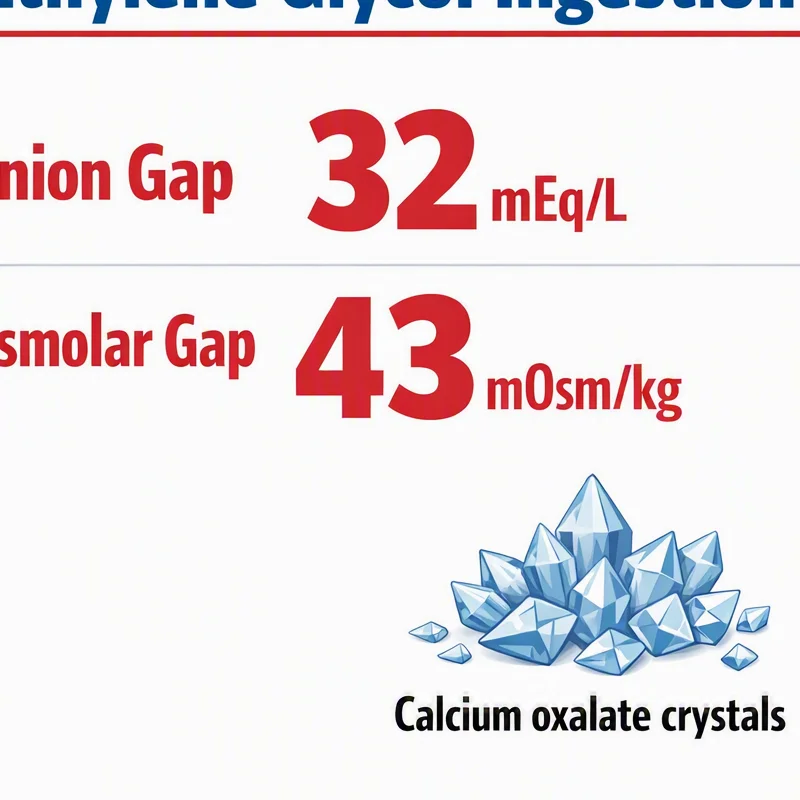
A elevated anion gap is often a clue to acid-base imbalance from too much acid formation or reduced acid removal. The major contributors are often grouped by mechanism, and the most clinically important include lactic acidosis, ketone accumulation, kidney failure, and poisons.
Lactate accumulation occurs when lactate builds up, usually because of poor tissue oxygen delivery, shock, severe illness, or impaired metabolism. Ketone-related acidosis may be related to diabetes, fasting, alcohol use, or other states that increase ketone production. Loss of kidney function can lead to retention of organic acids that the kidneys would normally clear. Toxic substances and drug exposures can also generate a high anion gap pattern by adding unmeasured acids or interfering with metabolism.
Knowing the underlying physiology helps narrow the differential diagnosis. The number itself does not tell you the cause; it only signals that unmeasured acids are likely present. That is why the anion gap is best used as part of diagnostic evaluation rather than in isolation.
Common categories to consider include:
- Lactate accumulation from poor perfusion, sepsis, or severe physiologic stress.
- Ketoacidosis from diabetes, starvation, or alcohol-related states.
- Renal failure with retention of acid load.
- Toxic substances or medications that create or mimic a metabolic acidosis.
A high result should prompt a careful review of symptoms, vital signs, medication exposures, and other lab values that reflect severity and urgency.
Corrected Anion Gap and Albumin Adjustment
The corrected anion gap compensates for the measured value for the influence of albumin. This is crucial because albumin compensation can reveal a hidden acid-base problem that a plain result might miss. Since serum albumin is a key uncounted anion, low albumin can make the anion gap appear within range even when excess acids are present.
Albumin correction improves acid-base balance interpretation by estimating what the anion gap would be if albumin were within range. Many calculators provide this automatically. When they do not, clinicians may use a correction formula based on the patient’s albumin level. The result is a more accurate adjusted value that more accurately reflects the actual metabolic state.
This matters particularly when the patient is sick, nutritionally depleted, has chronic inflammation, or otherwise has a low albumin concentration. In those settings, a seemingly normal uncorrected gap may be misleading. If the clinical picture suggests acidosis, the corrected result can uncover a hidden problem and support faster decision-making.
Albumin compensation does not replace the rest of the workup. It is a modification that improves analysis and helps connect the chemistry panel to the broader disease process.
Step-by-Step Reading Approach
Understanding an anion gap result is most effective as a series rather than a quick look at the number. The goal is to connect the calculator output with the patient’s actual condition and decide whether the result fits an acid-base disorder.
A practical approach includes these steps:
- Review the serum sodium, serum chloride, and serum bicarbonate values used by the calculator.
- Match up the result with the lab’s reference range.
- Inspect the bicarbonate level for evidence of metabolic acidosis.
- Assess the albumin value and consider albumin correction if needed.
- Review the arterial blood gas when available to confirm pH and respiratory compensation.
- Combine the result with clinical assessment, including symptoms, medications, and medical history.
An arterial blood gas can clarify whether the chemistry panel reflects true acidemia, compensation, or a mixed disorder. The blood gas also helps separate isolated chemistry abnormalities from a clinically important acid-base lactic acidosis AG values disturbance. In many cases, the best interpretation comes from pairing the calculator with the blood gas, exam findings, and serial lab values.
Remember that the anion gap is a screening test, not a final diagnosis. It suggests a problem, but the surrounding data determine what that problem is.
When to Recheck Labs or Seek Urgent Evaluation
Not every abnormal result requires urgent action, but some situations call for repeat testing or prompt intervention. If the result seems inconsistent with the patient’s condition, if there is concern for severe abnormalities, or if the calculation may have been affected by a collection problem, rechecking the chemistry panel is recommended.
Look closely at the entire clinical picture. Concerning symptoms may include disorientation, rapid breathing, severe weakness, persistent vomiting, chest discomfort, or signs of shock. These findings can indicate serious metabolic derangement and should prompt rapid assessment. When symptoms are severe, or when the patient appears unstable, immediate emergency assessment is warranted.
Repeat testing is also helpful when a low anion gap may reflect lab error, or when a corrected calculation is needed because albumin was not included. If the abnormality persists, the next step is usually a deeper medical evaluation rather than simple observation.
In short, run the labs again when the number is unexpected, the sample may be unreliable, or the clinical picture does not match the result. Seek urgent care when symptoms or associated findings suggest a potentially dangerous acid-base problem.
Frequently Asked Questions
What counts as a normal anion gap?
The normal range depends on the laboratory method and the way the calculation is performed. Many labs use a reference range in the low-to-mid teens, but the most accurate answer is the one listed by the testing facility. Always interpret the result in context with the albumin level, bicarbonate, and the rest of the chemistry panel.
What is the anion gap calculation?
The standard calculation method is serum sodium minus the sum of serum chloride and serum bicarbonate. An Anion Gap Calculator performs this automatically and may also provide a corrected value when albumin is low.
Why does this decreased albumin affect the anion gap?
Albumin is a important unmeasured anion. When albumin falls, the measured anion gap can also drop, which may mask an underlying acid base problem. That is why albumin correction is necessary when interpreting results in patients with hypoalbuminemia.
Why is there a high anion gap?
The main causes of high anion gap metabolic acidosis include lactic acidosis, ketoacidosis, renal failure, and certain toxins. The best next step is to compare the chemistry findings with the symptoms, arterial blood gas, and the rest of the clinical evaluation.
When should an abnormal anion gap be rechecked?
Recheck the result when it does not fit the clinical picture, when lab error is possible, or when the patient has worrisome symptoms. Repeat testing is also reasonable if the result is near a decision threshold or if albumin was not measured and a corrected value is needed. If the patient is not stable or has critical findings, seek urgent assessment without delay.