Can Inflammation of the pancreas Elevate the Anion Gap?
What Is the Anion Gap?
The anion gap is a derived value that helps clinicians gauge acid-base balance and identify hidden causes of metabolic acidosis. It is obtained from routine serum electrolytes, especially sodium and chloride, along with bicarbonate. In simple terms, the anion gap formula measures the difference between recorded positively charged and negatively charged particles in the blood.
Because the lab does not measure every ion directly, the anion gap can show an electrolyte imbalance or a buildup of unmeasured acids. That is why it has significant clinical significance in a variety of illnesses. A higher-than-expected result often suggests an acid-base disorder caused by extra acid production, reduced acid clearance, or a shift in metabolism.
In practice, the calculation uses a standard serum chemistry or electrolyte panel. Many clinicians also consider serum albumin, since albumin is a major unmeasured anion and low levels can change the result. When albumin is abnormal, the albumin-corrected anion gap may provide a more accurate corrected value.
Can Pancreatitis Raise the Anion Gap?
Absolutely. Pancreatitis, especially acute pancreatitis, can elevate the anion gap in some cases. The main explanation is that severe pancreatitis may lead to high anion gap metabolic acidosis. This usually happens when the body makes extra acids faster than it can clear them, or when tissue damage and poor circulation trigger acid accumulation.
One common pathway is lactic acidosis. When pancreatitis becomes severe, patients may develop hypoperfusion, tissue hypoxia, or poor perfusion, which shifts cells toward anaerobic metabolism and increased lactate production. That buildup can elevate the anion gap and signal a more serious metabolic derangement.
A further contributor may be ketoacidosis. Some patients with pancreatitis have diabetes or stress-related insulin deficiency, which can lead to ketone production and a high anion gap. In those cases, the pancreatitis may not be the only problem; it may be part of a broader diagnostic workup that includes diabetes, infection, and dehydration.
In short: pancreatitis can increase the anion gap, but the gap is usually a clue to the underlying cause rather than pancreatitis itself. It is a potential severity marker that can reflect how much the illness is affecting the body.
Why Pancreatitis Can Influence Acid-Base Balance
Pancreatitis can disturb acid-base balance through several overlapping mechanisms. A major one is systemic inflammation. Inflammatory mediators can trigger a broad inflammatory response that affects circulation, perfusion, and organ function. As the illness worsens, the risk of organ dysfunction increases, and that can change both acid production and acid clearance.
Dehydration is an additional key factor. People with pancreatitis often have vomiting, poor intake, third-spacing of fluids, and overall volume loss. That can reduce circulating blood volume, worsen hypoperfusion, and contribute to lactic acid buildup. In other words, the body may not be providing enough oxygen to tissues, which promotes metabolic acidosis.
Severe pancreatitis can also impair kidney function. If the kidneys are not working well, they may not clear acid efficiently, which can deepen the acid-base problem. This is why the overall picture matters: the anion gap may be elevated because of lactic acid, kidney injury, or both. In critical illness, several mechanisms often occur at the same time.
Pancreatitis does not always cause a high anion gap, but when it does, the result often reflects systemic stress, reduced perfusion, or another concurrent condition that increases acid load.
Frequent Laboratory Findings in Pancreatitis
Lab testing in pancreatitis usually includes lipase and amylase, which assist with the diagnosis. Lipase is generally more precise, while amylase can rise in a wider range of conditions. These values help verify pancreatic inflammation, but they do not tell the full story about acid-base status.
Bicarbonate is especially important because it helps show whether metabolic acidosis is present. Low bicarbonate often suggests the body is buffering excess acid. If bicarbonate drops while the anion gap rises, that combination clearly points to a high anion gap metabolic acidosis. This pattern may occur in severe pancreatitis with lactic acidosis, ketoacidosis, or another complication.
Renal function should also be checked. Blood urea nitrogen and creatinine can reveal kidney involvement, which may worsen acid retention and change laboratory interpretation. Kidney injury can be both a consequence of severe pancreatitis and a separate contributor to elevated anion gap findings. When the kidneys are affected, the diagnostic workup becomes more urgent because organ dysfunction can advance fast.
Other labs may provide context as well, including glucose, calcium, and markers of infection. Together, these results help clinicians understand whether the patient has pancreatitis by itself or a wider metabolic issue.
Using an Anion Gap Calculator
An anion gap calculator is a handy way to approximate whether the measured electrolytes suggest excess unmeasured acids. Most calculators use values from an electrolyte panel, including serum sodium, serum chloride, and bicarbonate. A common approach is to subtract chloride and bicarbonate from sodium. The exact formula can change somewhat by reference method, but the purpose is the same: detect an abnormal gap that may point to an acid-base disorder.
To use the calculator well, enter the most recent bicarbonate level and make sure the electrolyte values come from the same blood draw when possible. If serum albumin is low, the raw anion gap may underestimate the true degree of acidosis. That is why many clinicians use an albumin-corrected anion gap. The correction provides a more accurate assessment when albumin is abnormal, which is common in acute illness.
Below is a simple way to understand the process:
- Check the serum sodium, serum chloride, and bicarbonate values.
- Determine the anion gap using the calculator or formula.
- See if serum albumin is low.
- Use an albumin-corrected anion gap if needed.
- Interpret the result alongside symptoms, lipase, amylase, renal function, and the overall clinical picture.
Remember that a calculator supports laboratory interpretation, but it does not replace clinical judgment. The result is most useful when it is paired with the patient’s symptoms, physical findings, and the suspected underlying cause.
Alternative Causes of a Increased Anion Gap
A increased anion gap is isn't specific to pancreatitis. Multiple other conditions can produce the same pattern, and distinguishing among them is essential for an accurate diagnostic workup. One of the leading causes is potassium adjusted anion gap diabetic ketoacidosis, in which insulin deficiency causes fat breakdown and ketone production. This can occur with abdominal pain and vomiting, which may overlap with pancreatitis symptoms.
Sepsis is a further major cause. It can trigger tissue hypoxia, poor perfusion, and lactic acidosis, often with rapid deterioration. Because sepsis and pancreatitis can look similar and may even coexist, clinicians often consider both during evaluation. In severe illness, the increased anion gap may reflect a broader critical illness rather than a single diagnosis.
Renal failure can also cause a elevated gap by reducing acid excretion and allowing organic acids to accumulate. In addition, toxic ingestions can produce marked metabolic acidosis. Among these, toxic alcohol ingestion is especially important because substances like methanol or ethylene glycol can cause dangerous acid buildup and organ injury.
Other possibilities include lactic acidosis from shock, certain medications, and severe endocrine disorders. This is why an increased anion gap should always be interpreted as a clue, not a diagnosis by itself. The key question is not just whether the gap is increased, but what underlying cause is driving it.
When a High Anion Gap in Pancreatitis Is an Emergency
A elevated anion gap in a patient with pancreatitis can be an critical issue when it signals worsening metabolic acidosis or signs of systemic instability. This is especially true if the patient has intense pain, persistent vomiting, confusion, rapid breathing, low blood pressure, or reduced urine output. These findings may indicate shock, poor tissue oxygen delivery, or evolving organ failure.
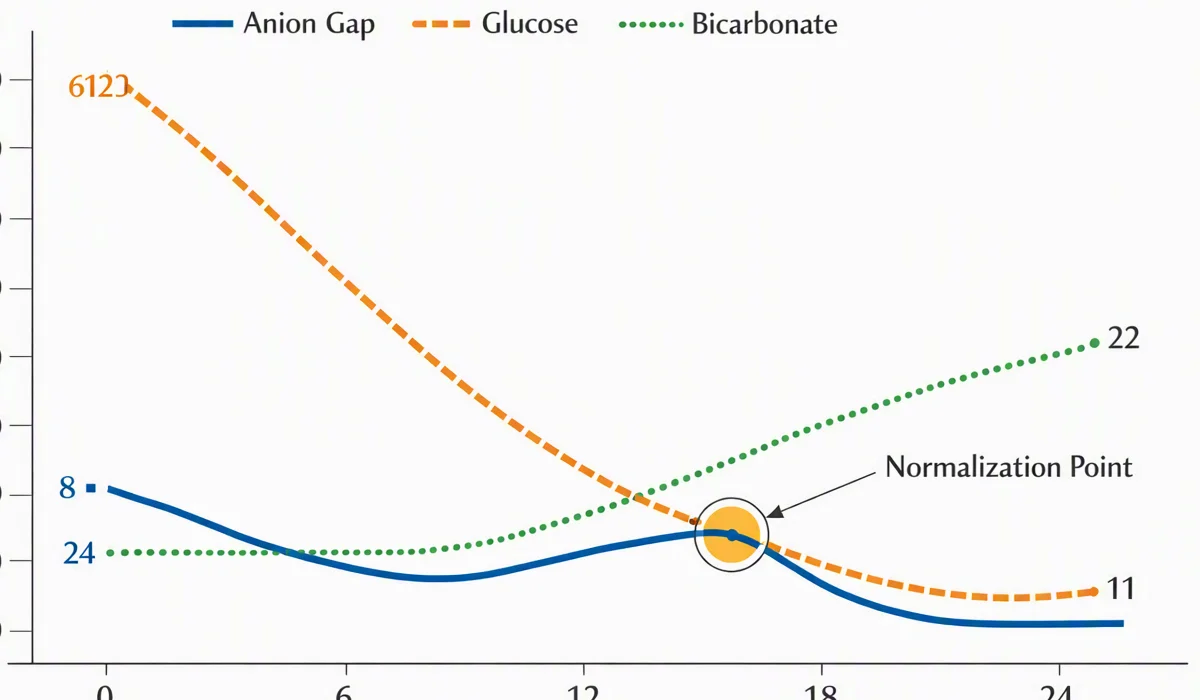
If the acidosis is due to lactic acidosis, ketoacidosis, sepsis, renal failure, or toxic alcohol ingestion, urgent treatment may be needed immediately. Pancreatitis can coexist with any of these conditions, and the elevated anion gap may be the first clue that the situation is becoming life-threatening. Because of this, a rising gap should not be overlooked as a small lab abnormality.
Emergency care is especially important when the anion gap is paired with low bicarbonate, abnormal glucose, worsening kidney function, or signs of hemodynamic compromise. In that context, the lab pattern may suggest severe illness rather than uncomplicated pancreatitis. Rapid evaluation can help identify the underlying cause and guide treatment before organ dysfunction progresses.
Seek emergency care if pancreatitis symptoms are accompanied by marked weakness, trouble breathing, fainting, chest pain, severe dehydration, or confusion. These can all indicate dangerous metabolic or circulatory problems that require immediate attention.
FAQ
Can pancreatitis increase the anion gap?
Absolutely. Pancreatitis can increase the anion gap, especially if it leads to lactic acidosis, ketoacidosis, dehydration, or poor perfusion. The elevated anion gap is often a sign that the body is developing metabolic acidosis or another serious complication.
What causes metabolic acidosis in pancreatitis?
Pancreatitis can lead to metabolic acidosis through systemic inflammation, reduced blood flow, dehydration, and in some cases kidney injury. These effects can elevate lactic acid, impair acid clearance, and produce a high anion gap metabolic acidosis.
How do you calculate the anion gap with a calculator?
A anion gap calculator typically uses serum sodium, serum chloride, and bicarbonate from an electrolyte panel. You input the values, and the calculator calculates with the anion gap formula. If serum albumin is low, the albumin-corrected anion gap may give a more accurate corrected value.
Does albumin change the anion gap result?
Yes. Serum albumin is a major unmeasured anion, so reduced albumin can make the anion gap seem lower than it truly is. That is why, the albumin-corrected anion gap is valuable in interpreting lab results, especially in acute disease.
When should a high anion gap in pancreatitis be considered a concern?
It should be considered urgent when it is accompanied by a metabolic acidosis, shock, confusion, low blood pressure, worsening renal function, or evidence of organ failure. Those findings may point to acute severe pancreatitis or another emergency such as sepsis, diabetic ketoacidosis, kidney failure, or toxic alcohol ingestion.